The retail landscape has undergone significant transformation since this article was originally published in 2018, with eCommerce leading the way. While the UK high street faces ongoing challenges, the eCommerce sector has experienced substantial growth, accelerated by the COVID-19 pandemic and changing consumer behaviours.
However, the picture isn’t completely black and white. We’ve analysed the omnichannel revolution taking place and how fulfilment and parcel delivery services can help retailers respond to this shift.
Ecommerce Growth and High Street Decline
Ecommerce has steadily eaten into the share of total retail sales. In November 2024, internet sales accounted for 26.2% of all retail sales in Great Britain, with the number of eCommerce users in the UK rising from 34.6m in 2017 to a projected 62.7m by 2029.
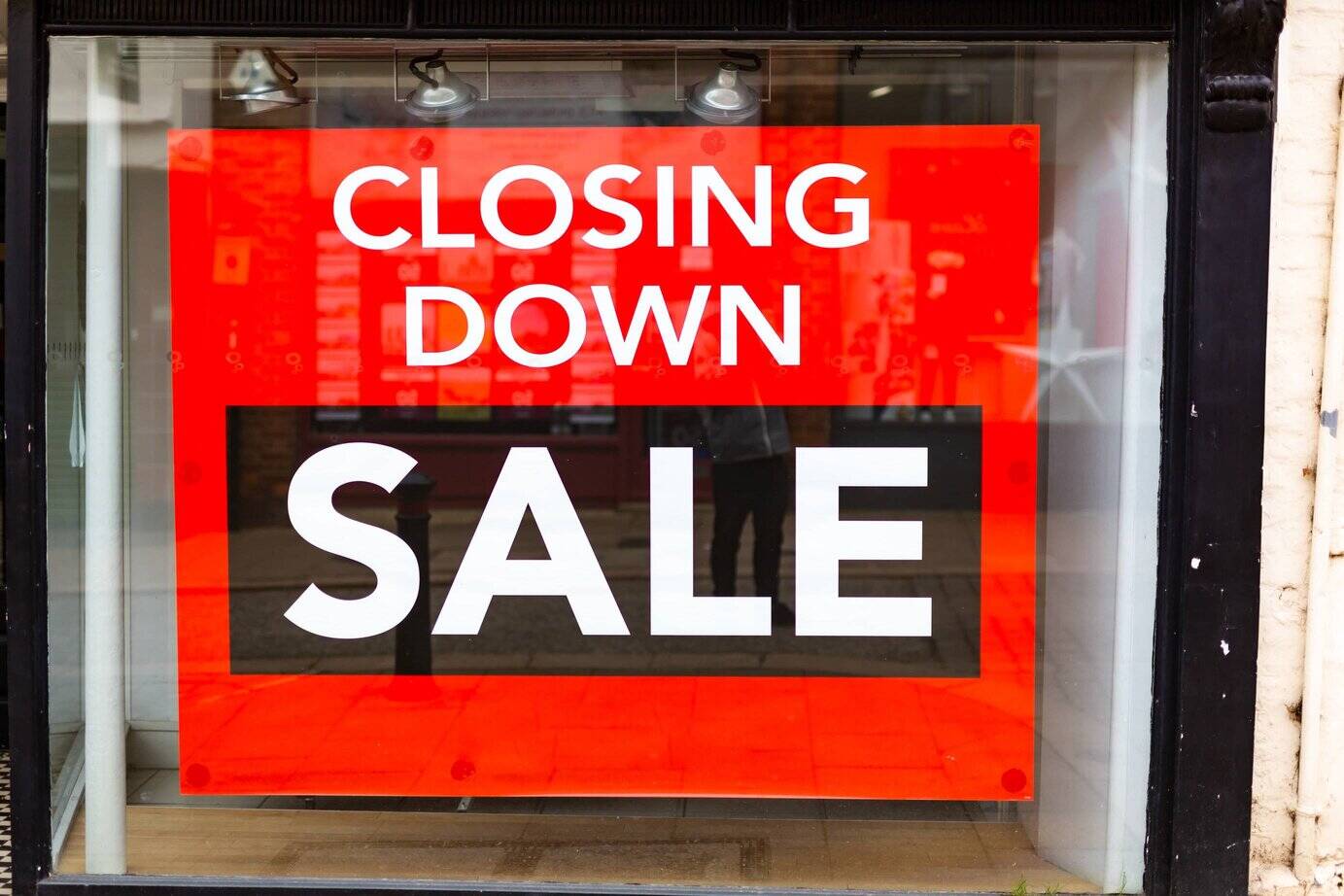
This growth has come at the expense of traditional brick-and-mortar stores. A 2023 report from the Local Data Company forecasted that up to 15,000 shops could disappear from the high street within two years.
Meanwhile, analysis by the Centre for Retail Research backed up this claim. It found that 37 shops were closing their doors every day in 2024, a 28% increase compared to the previous year.
This decline has a compounding effect and creates a vicious cycle. As more outlets close, there’s less incentive to visit the high street as consumers are presented with fewer and fewer options to browse and buy.
However, the competition between eCommerce and the high street is not entirely one-sided or one-dimensional. In fact, eCommerce and in-store retail have shown they can complement each other.
Instead of seeing eCommerce and physical retail as opposing forces, forward-thinking brands are embracing the best of both worlds.
Adapting to the New Retail Landscape
Retailers are increasingly adopting omnichannel strategies to survive and thrive. This approach integrates online and offline experiences, allowing customers to seamlessly shop across multiple channels.
For example, UK unicorn Gymshark is arguably the poster child for this brave new world.
Having started as an online-only retailer, the fitness apparel firm now operates three stores in the UK and a pop-up store in New York City. These outlets provide avid fans with access to exclusive items and events, all enjoyed “in real life”.
The emergence of this new retail model enables digital-first brands to create unique in-person experiences and connect on another level with their consumers.
Gymshark founder and CEO, Ben Francis, has even commented that the long-term future of the brand is on the high street and in physical stores.
Other successful eCommerce retailers moving in-store include the juggernauts ASOS and Shein. Elsewhere, online brand Sosandar has announced plans to open 50 bricks-and-mortar stores.
The Future of Retail
While the high street faces continued challenges, it's not necessarily headed for extinction. Instead, it's evolving. As far back as 2011, retail tsar, Mary Portas, suggested that the future lies in "less retail but better retail".
And now it appears that we’re finally witnessing these winds of change.
Part of this shift is the rise of experiential retail, where physical stores focus on creating unique experiences.
Notable examples include the Prada Caffè at the Harrods department store in London. Visitors are transported into an immersive world of Prada, where fashion and dining combine to mimic Prada’s famous spot in Milan.
Or you can sample Vans’ ‘House of Vans’, a 30,000sqft facility complete with cinema, café, live music venue and its own skatepark.
The consumer appetite for experiential retail and ‘retailtainment’ is shaping the future of the sector and provides the opportunity to create emotional connections that can’t be replicated online.
On the flip side of online brands moving to stores, traditional retailers have beefed up their eCommerce game. Huge high street names have enhanced their internet offering and even diversified into online marketplaces.
B&Q launched its own marketplace in 2023, offering over 1.2 million products from more than 1,100 sellers. This expansion has allowed B&Q to diversify its product range, including cookware and tableware.
Elsewhere, Superdrug’s marketplace features more than 22,000 products from third-party sellers, offering a wide range of items from Korean skincare brands to kitchen appliances.
By embracing online marketplaces and enhancing their eCommerce capabilities, traditional physical retailers are adapting to changing consumer behaviors and creating new opportunities for growth.
The Crucial Role of Ecommerce Logistics in Modern Retail
On the eCommerce front, continued growth will demand greater efficiency in order processing, fulfilment, and delivery.
Approximately 3.9bn parcels were sent in the UK during the 2023/24 fiscal year, a 300m rise on the previous year.
However, there’s clearly work to be done in enhancing the customer experience.
Ofcom reported that 68% of recipients had experienced an issue with a parcel operator in 2022-23.
Therefore, retailers that can optimise their eCommerce logistics and provide exceptional customer service will be best positioned to maximise growth in this evolving retail landscape.
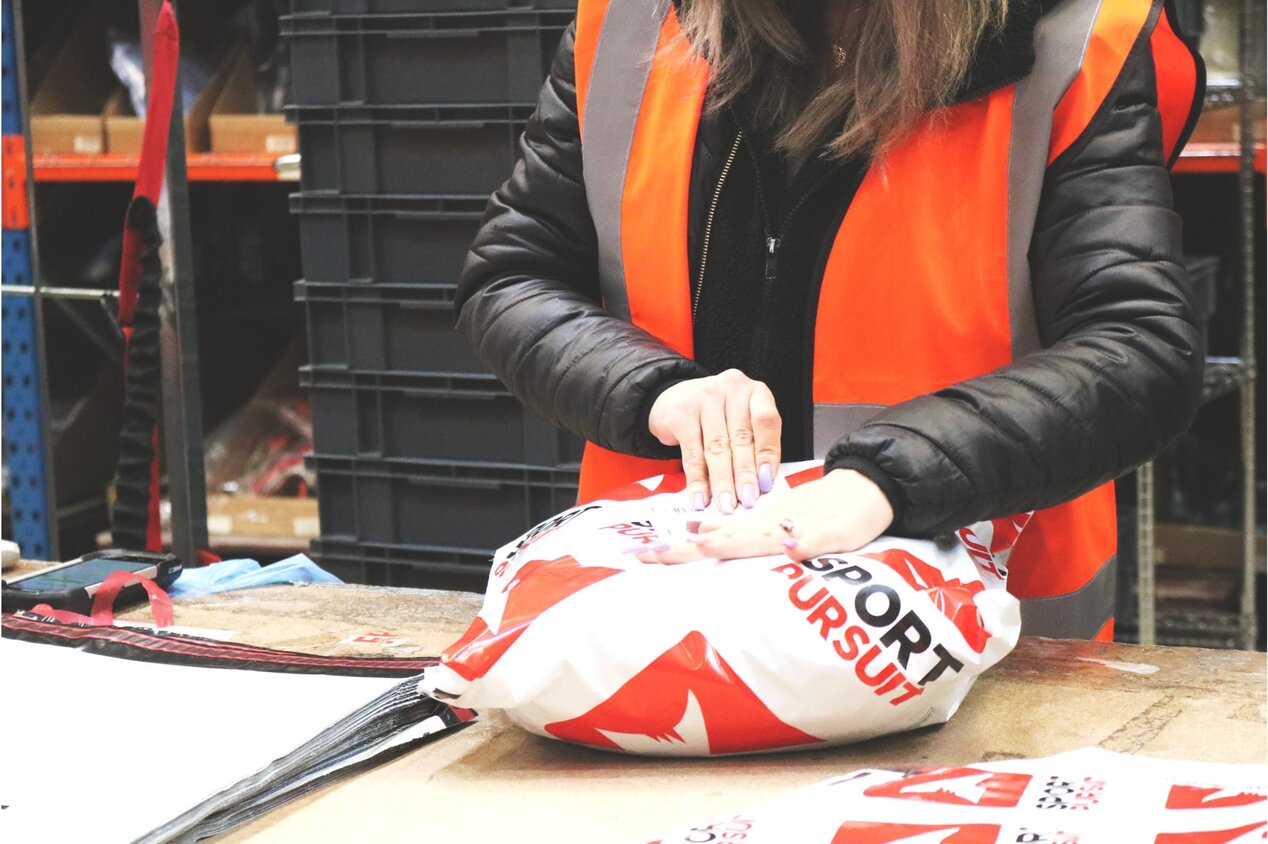
Third-party logistics (3PL) providers have become essential partners for many retailers, offering specialised eCommerce logistics solutions. These include pick and pack, delivery management, returns and even product refurbishment.
On that note, eCommerce fulfilment centres have become the backbone of eCommerce operations. These strategically located facilities enable retailers to process orders quickly and efficiently, reducing delivery times and improving customer satisfaction.
It can also be significantly cheaper to utilise a 3PL provider’s facilities, staff and systems than to manage the whole process in-house.
Larger fulfilment providers will also be able to offer outsourced customer service. Typically, this will involve experienced agents acting as an extension of your team to provide support via phone, email, live chat and social media. In some cases this will be available as an add-on or standalone service, and scale up and down according to customer demand.
Need to enhance order fulfilment? Whistl helps fast-growing brands and established businesses streamline their operations and reduce costs. Benefit from scalable and tailored fulfilment solutions that flex with your brand. Get in touch today.
Updated: January 2025
Discover scalable and tailored eCommerce fulfilment solutions that drive growth
Join our mailing list
Sign up and receive all the latest industry news and insights directly to your inbox.
Research, Insights and Industry Guides
In depth insights and research studies to help you better understand customer perceptions & expectations.
Share this article
You may also like...