
Written by
William Geldart
Content Manager
It’s the most wonderful time of the year for bargain hunters and one of the most stressful times of the year for UK online retailers. Yes, we’re referring to Black Friday, which falls on Friday 27 November 2026, with Cyber Monday following on Monday 30 November 2026.
For UK retailers and brands, those dates sit at the heart of a much longer period of promotions and higher order volumes.
But what should you be planning for?
The opportunities and the potential pitfalls go way beyond the number of orders coming through the checkout. A successful peak shopping season is heavily dependent on having stock in the right place, getting orders out on time and giving customers delivery promises they can trust.
Therefore, BFCM should be viewed as one connected retail period. Marketing creates the demand. Fulfilment gets the orders out. And delivery, returns and support teams influence what the customer thinks of the overall experience.
Get those parts working together and the BFCM rush becomes much easier to manage.
What Should Ecommerce Brands Expect from BFCM 2026?
If you work for an UK eCommerce brand, you’ll know that the Black Friday sales are no longer limited to the big day. You should also be mindful that customers are increasingly careful about where and how they spend.
Black Friday shopping can begin weeks before the main event, continue through Cyber Monday and put sustained pressure on stock, customer service, fulfilment and delivery capacity.
The scale of the opportunity is clear. Statista's Black Friday research reported that UK consumers were expected to spend £9.52 billion across the Black Friday weekend in 2025. £5.13 billion of that was expected to be spent online.
The same research found that 73% of UK Christmas gift buyers planned to shop online in 2025.
Looking further afield, U.S forecasts can give UK businesses another indication of how heavily demand can concentrate around the event. Adobe expects U.S online holiday spending to reach $275.1 billion between 1 November and 31 December 2026, including $47.5 billion during what’s now been dubbed Cyber Week. Cyber Monday alone is forecast to reach $15.1 billion online, with Black Friday reaching $12.9 billion.
BFCM is Now an Extended Sales Period
Whilst a lot of focus remains on the key dates, marketing and operations ramp-up begins much earlier, to cover what’s become an extended period of discounting.
Found expects retailers to continue stretching Black Friday promotions beyond the traditional weekend, with campaigns potentially beginning from late October.
A longer promotional period can spread orders across several weeks. However, it also means running peak operations for longer.
Your labour plans, stock replenishment, carrier capacity, packaging and delivery cut-offs all need to reflect the promotion calendar. A single exceptional day can be difficult. But several weeks of higher volumes, followed by stock queries, failed deliveries and returns, can put far more pressure on an operation.
Found recommends spacing promotions throughout November to reduce deal fatigue. For eCommerce teams, there is a practical benefit too: fulfilment teams can see which products are being promoted and when, then plan stock and resource around the likely spikes.
Mobile-First is Not Optional
Found also reports that more than 55% of Black Friday purchases in 2025 happened on smartphones and expects mobile buying to grow further in 2026.
That makes mobile speed, checkout and payment options important parts of BFCM planning.
It can also affect the shape of demand. A campaign that gains traction on social media can send a large number of mobile shoppers to a product within minutes.
Make sure order feeds and warehouse processes can absorb those jumps without creating a backlog further down the line.
Price can win the click, then delivery cost, availability and returns can influence whether the customer completes the order.
AI Will Shape BFCM Discovery in the UK
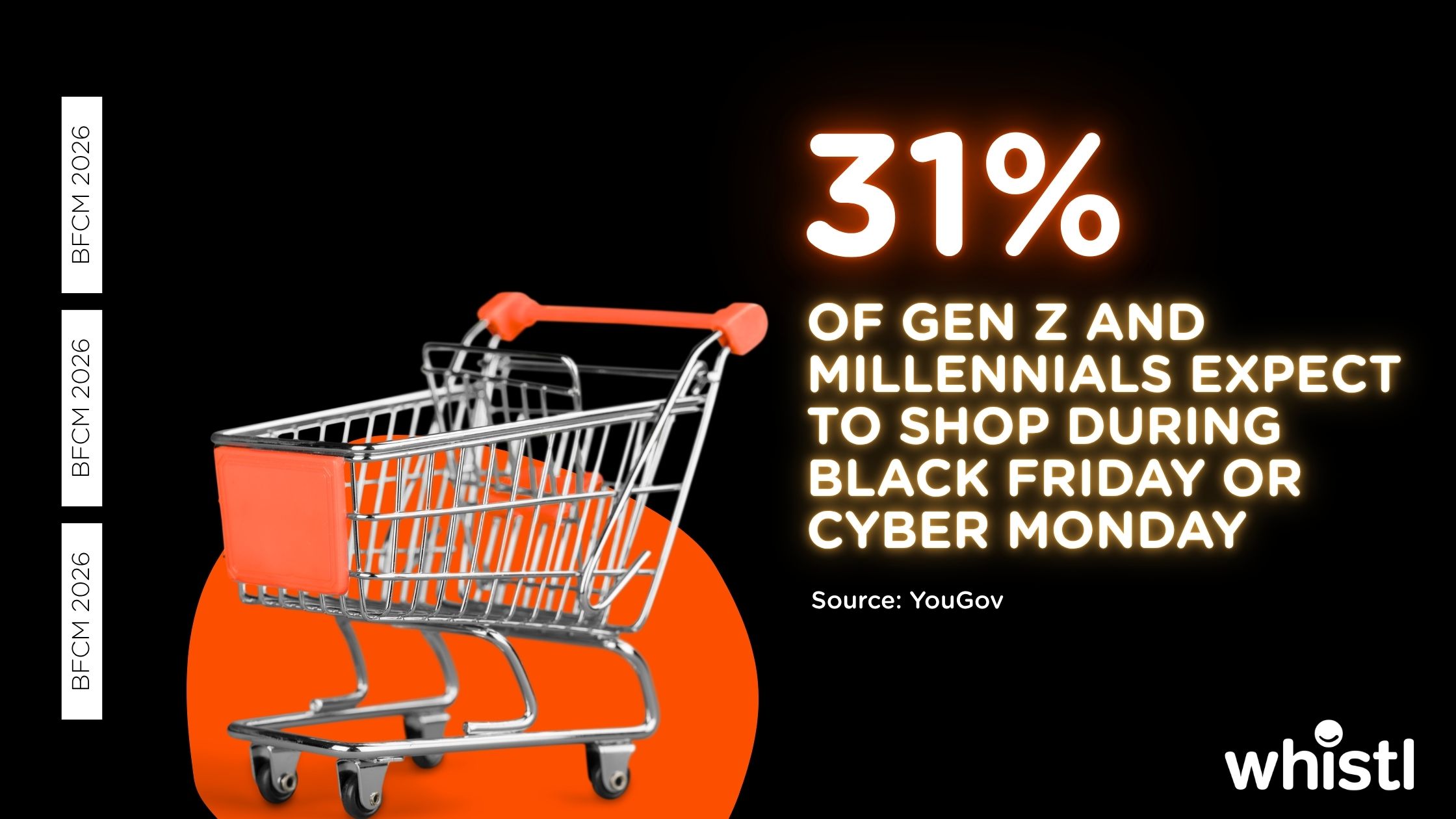
YouGov research - AI's role in Black Friday and Cyber Monday 2026 - found that 23% of British adults said they were likely to shop during Black Friday or Cyber Monday. Among Gen Z and Millennials, that figure rises to 31%.
This backs up our own research, Ecommerce in 2026. We revealed that 1 in 3 Gen Z and Millennials have purchased products based on AI recommendations, with AI becoming part of how shoppers search for deals
Among likely BFCM shoppers, 34% said they were likely to use an AI tool to make the 2026 sales easier to navigate, compared with 19% in YouGov's previous survey.
Shoppers were most comfortable using AI to find the best price, compare similar products or offers, and check whether a discount was genuine.
However, trust remains a concern:
- 31% of Gen Z and Millennials expect to shop during Black Friday or Cyber Monday.
- Planned AI use among likely BFCM shoppers has risen from 19% to 34%.
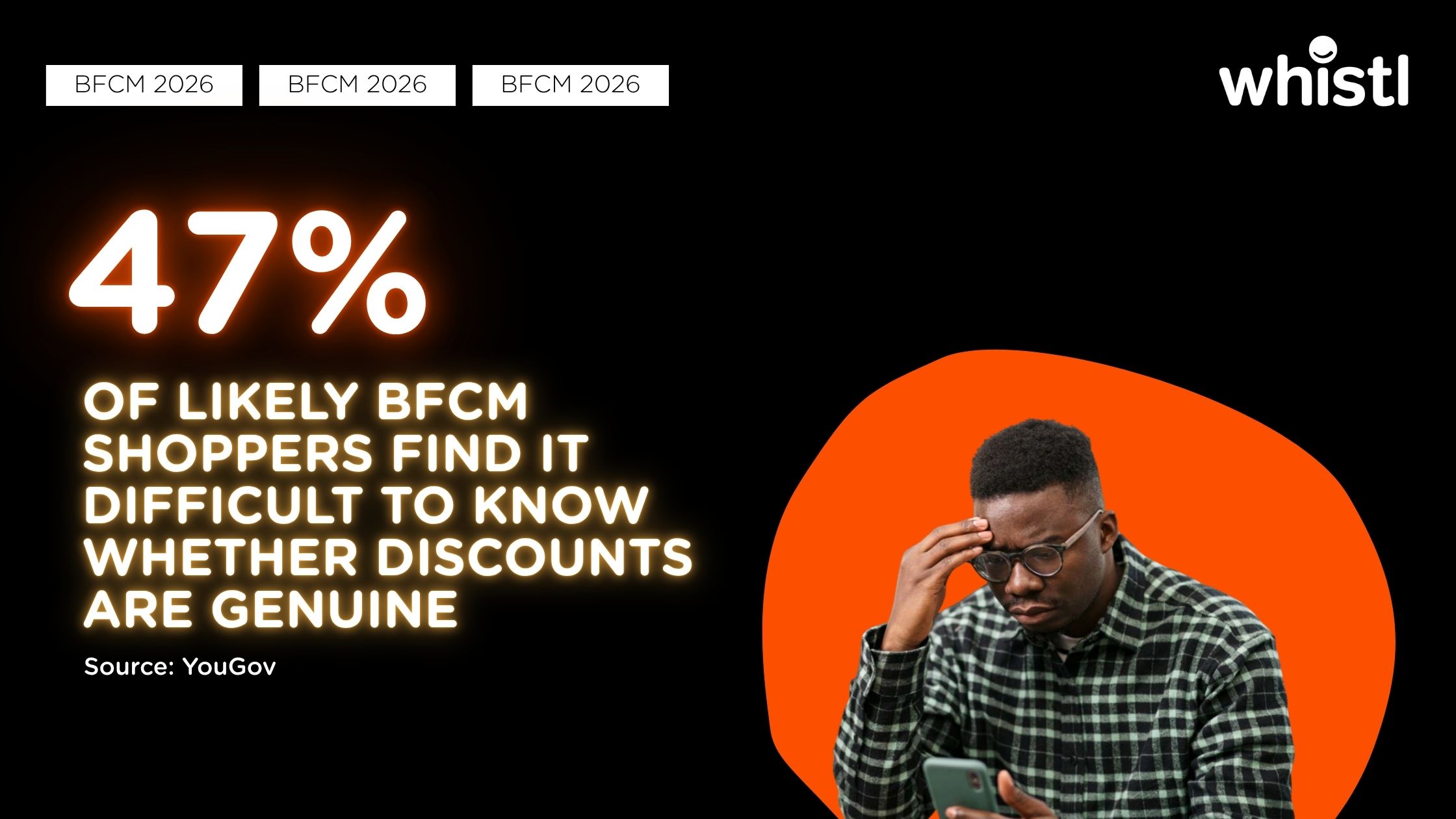
- 47% of likely BFCM shoppers say knowing whether discounts are genuine is difficult.
- Biased or sponsored recommendations concern 48% of existing AI shoppers and 45% of shoppers considering using AI.
For UK retailers, accurate product information and clear pricing will matter as AI search increasingly impacts upon brand discovery. Your stock information needs to be current, promotional rules need to make sense, and delivery promises must match peak expectations.
What Will Sell Well on Black Friday 2026?
Found expects electronics, apparel and furniture to remain strong Black Friday categories in 2026, with toys and skincare also gaining interest.
Statista's UK 2025 figures provide a useful comparison. 57.2% of consumers planned to shop for clothing and footwear during Black Friday weekend, the same proportion planned to buy toys, and 47.6% planned to buy electronics.
Each category brings different fulfilment requirements:
- Electronics: Higher-value orders make secure packaging and dependable tracking especially important.
- Apparel: Size and fit increase the likelihood of exchanges and returns, so plan the reverse process before peak begins.
- Furniture/home: Larger products need suitable storage, packaging and carrier services.
- Toys/skincare: Many purchases will be gifts, making accurate picking, presentation and delivery timing particularly important.
Forecasting by product type gives warehouse teams much more useful information than a top-line revenue number.
For Black Friday 2026, retailers need to know which products deserve promotional support, how much margin there is to work with, what delivery proposition customers will see and whether fulfilment can cope if the campaign performs above forecast.
A Seamless Omnichannel Experience is Now a Core Expectation
Found notes that customers move between online and physical retail when researching and buying products, particularly in categories such as clothing and beauty.
Your pricing, promotions and stock information should therefore tell the same story across your website, marketplaces, stores and customer service channels.
Personalised campaigns can create operational issues too. If a large group of customers receives a recommendation for the same bundle or hero SKU, make sure there is enough stock and keep fast-moving products where they can be picked quickly.
The Cost of Living and BNPL will Shape Basket Behaviour
Price remains a major consideration for shoppers, and Found expects inflation and cost of living pressures to keep customers selective during BFCM 2026. It also points to Buy Now, Pay Later as one way customers may manage purchases, particularly on higher-value products.
The operational point here is straightforward. Know the products likely to attract larger baskets and make sure dispatch capacity, packaging and delivery communications can support them.
Paid Search, Social and Influencers Can Create Sudden Peaks
Found identifies paid search as an established Black Friday sales channel and social media as a growing source of Cyber Week discovery. It reports that social media's share of Cyber Monday revenue increased by more than 50% year on year in 2025, while 49% of shoppers cited retailer social ads as one way they discover Cyber Week deals.
A successful advert can change order volumes quickly. Your fulfilment plan needs room for that possibility.
Make sure you have:
- Clear daily volume assumptions, including the plan when orders exceed forecast.
- Order prioritisation rules covering express services, subscriptions and marketplace SLAs.
- Multi-carrier resilience so a capacity issue on one service doesn't stop orders moving.
Marketing should know the operational limits before a campaign launches. Fulfilment should be aware of when the biggest campaigns are due to go live.
Are UK Shoppers Still Excited About Black Friday?
There is still demand, accompanied by a dose of scrutiny.
YouGov found that 47% of likely BFCM shoppers find it difficult to know whether discounts are genuine. Finding the best deal was difficult for 38%, while 30% struggled with deciding whether to buy immediately or wait.
Which? has also repeatedly examined whether advertised Black Friday bargains genuinely represent the best available price.
Clarity can earn confidence here. Show the price clearly and explain what is included in a promotion. Make exclusions easy to find and publish your delivery dates before people reach checkout.
Practical trust builders include:
- Clear offer rules: Explain which products qualify and when the promotion ends.
- Visible delivery options: Show the relevant services, costs and estimated delivery timings clearly.
- Honest stock messages: Keep availability information current, particularly on heavily promoted products.
- Simple returns language: Customers buying gifts should be able to understand the returns window before ordering.
- Consistent service messaging: Keep website, email, advertising and customer-service information consistent.
Operations Planning Starts Before Traffic Spikes
Black Friday eCommerce performance depends heavily on decisions made before orders begin to climb.
Your hero SKUs, expected order volumes, available carrier services, packaging requirements, returns policy and escalation process should already be clear before peak week.
At Whistl, we recommend planning from the customer promise backwards.
If you're advertising express delivery, confirm the warehouse can pick, pack and dispatch the order in time. For giftable products, check whether packaging will protect the product and arrive in the condition customers expect. International orders need suitable time for customs documentation and cross-border handovers.
A practical readiness checklist:
- Forecast by SKU, not just total revenue. Identify fast sellers, bulky products, fragile goods and higher-margin lines separately.
- Segment stock by velocity. Keep likely fast movers in efficient pick locations and confirm replenishment routines.
- Confirm carrier capacity. Match available services to the promises displayed at checkout.
- Stress-test checkout and order feeds. Orders need to move cleanly from purchase into fulfilment even when volumes climb.
- Prepare customer service responses. Give teams clear information on delivery, returns, exchanges and stock issues.
- Plan the returns wave. Returns will continue long after Cyber Monday has finished.
Black Friday Logistics Should Be Flexible
Your Black Friday logistics need enough flexibility to cope when order volumes differ from the forecast.
Weather, carrier capacity, supplier delays and an unexpectedly popular product can all affect fulfilment during peak. Retailers need clear alternatives ready before those problems arise.
Whistl works with retailers and brands across eCommerce fulfilment, warehousing, pick and pack, delivery management and returns. The mix depends on the business, its products and how customers buy.
During BFCM, check the parts of your operation that depend on a single supplier, system or service. If one carrier reaches capacity, decide where those parcels go. If marketplace orders rise sharply, make sure priority services can be identified quickly. If stock sells faster than forecast, your website, warehouse and customer service team should be working from the same information.
Strong peak logistics usually includes:
- Multi-carrier options across the delivery services relevant to your customers.
- Late cut-off clarity so campaigns don't promise dispatch dates the warehouse can't meet.
- Order prioritisation rules for express, subscription, marketplace and gift orders.
- Packaging plans covering seasonal inserts, branded packaging, fragile goods and material requirements.
- Exception reporting so delayed, failed and split orders can be dealt with quickly.
Delivery Communication is Part of the Experience
For many shoppers, Black Friday deliveries are their first physical experience of a brand.
Customers want to know that the order has been received, when it has left the warehouse and when it should arrive. If something changes, tell them.
The importance of delivery is visible in the research. Statista found that free delivery was the most frequently cited BFCM shopping motivator among UK consumers planning to buy in 2025, selected by 47% of respondents. Free returns followed at 27%.
Adobe's 2026 U.S forecast also expects mobile to account for 57.4% of holiday online spend, with BNPL spending predicted to reach $21.3 billion across November and December.
For Cyber Monday deliveries, keep updates short and useful:
- Before purchase: Give the order deadline for each delivery service.
- At checkout: Show the available delivery choices and costs.
- After purchase: Confirm that you've received the order.
- At dispatch: Send tracking information promptly.
- If delayed: Explain the revised delivery position and what happens next.
Silence creates customer-service work. A useful update can prevent the customer needing to chase you.
Don’t Forget about Returns When Planning for Peak Season
Returns continue after the sales have finished, so capacity needs to continue with them.
Processes should be ready for returned stock to be received, checked, recorded and, where appropriate, returned to sale. Speed matters during the Christmas period because a saleable item sitting unprocessed in a returns area isn't available for another customer to buy.
Statista's 2025 UK BFCM research found that free returns were a purchase motivator for 27% of consumers planning to buy during the period. Returns policy can therefore influence the purchase before an order has even been placed.
For fashion, beauty, homeware and gift brands, decide festive returns management windows and exchange rules before campaigns go live. Make any exclusions clear. International retailers should also explain the arrangements for return postage and relevant customs documentation.
Marketing and Fulfilment Need One Shared Plan
Peak runs more smoothly when marketing, eCommerce, merchandising, customer service and fulfilment teams plan together.
Before BFCM 2026, share the promotional calendar, stock assumptions, expected daily volumes, delivery services and contingency decisions with everyone responsible for delivering them.
A joined-up peak plan should answer:
- Which products are being promoted each day?
- What daily order volume can the operation process safely?
- Which delivery services will customers see at checkout?
- When will express services be removed if capacity tightens?
- Who approves customer communications if deliveries are delayed?
- What happens when a promoted SKU sells out?
- How quickly will returns be processed after Cyber Monday?
Sharing that information early gives people time to act when volumes change.
For us at Whistl, this is where a good logistics relationship earns its keep. The campaign drives the orders. Our job is to make sure the operation is ready to deal with them.
The Key to Black Friday Success? Connecting Commerce with Operations
Black Friday and Cyber Monday 2026 gives UK brands a concentrated period of customer demand, with shoppers paying close attention to price, availability, delivery and trust.
The preparation needs to match that level of scrutiny.
Connect your eCommerce plans with fulfilment forecasts. Check carrier capacity and delivery communications. Plan returns before the first discounted order leaves the warehouse.
If you're reviewing your Black Friday eCommerce operation, look closely at fulfilment capacity, carrier choice, tracking, customer service and returns. Then test those plans against a better-than-expected sales day.
We work with brands, eCommerce teams, and logistics teams to plan fulfilment around the way their business actually trades. When peak arrives, customers should get what they ordered, when you've told them to expect it. Setting that standard and meeting that expectation will bring them back long after the Black Friday sales end.
Share this article
You may also like...