The UK subscriptions market continues to flourish with British consumers spending a whopping £29.5bn a year on subscription services.
The subscription box segment makes up a healthy portion of this total. From beauty boxes to plants and toilet paper, eCommerce retailers are promoting the promise of greater value, convenience, flexibility and choice.
But what’s next for this lucrative segment?
The Rise of the Subscription Model
A 2021 research study by Whistl found that 81% of UK households had signed-up to a subscription service, up from 65% a year before.
This substantial growth had created a market worth £395m annually, with the subscription box market forecasted to go beyond £1.8bn by 2025 at an annual growth rate of 18.9%.
At the time, the average monthly household spend on subscription boxes had risen to £52, driven by higher value products and multiple subscriptions.
Meanwhile, the length of time customers remained subscribers had risen from 5.6 to 9 months in the four years prior to the study.
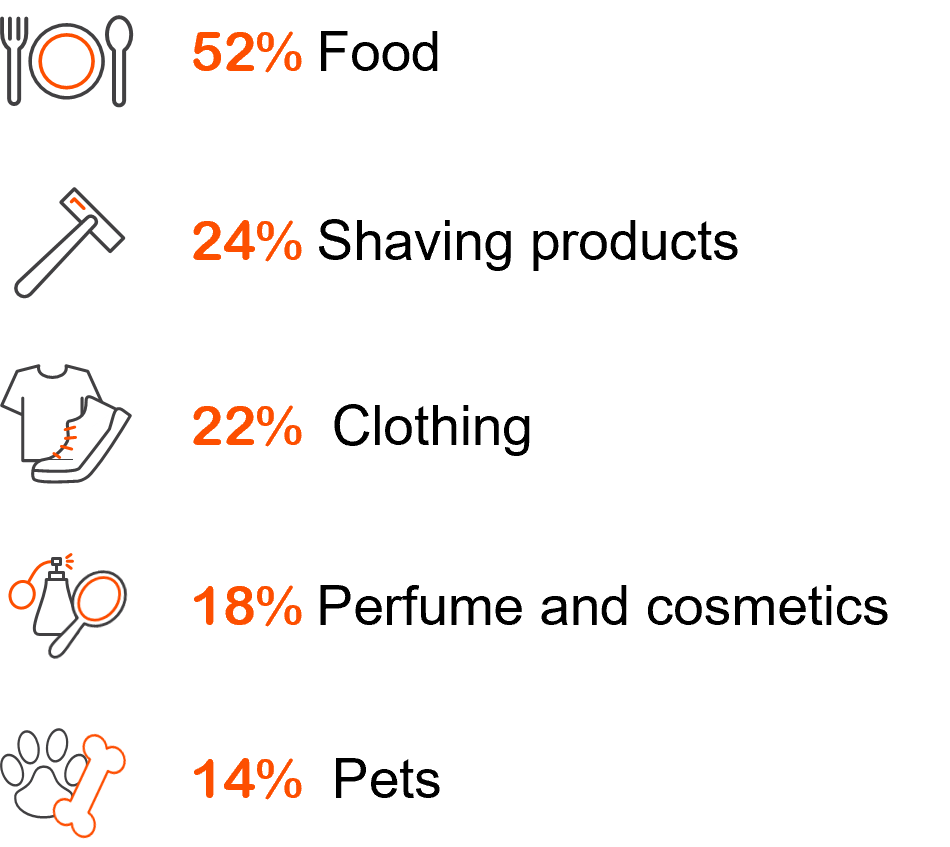
We found that the most important subscription boxes in 2021 were:
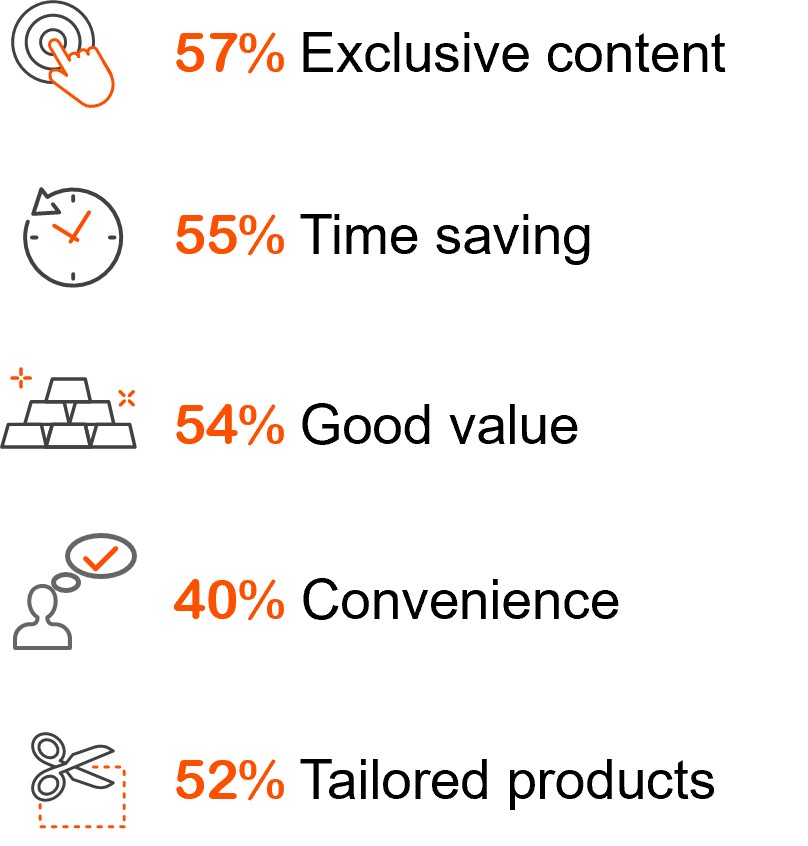
We also established that the consumer motivations for signing up were:
Advancements in technology and increased social media usage, coupled with the COVID-19 pandemic, helped to fuel massive growth in the market.
So, it was no surprise to report that 67% of UK retailers planned to launch a new subscription service.
The UK Subscriptions Market in 2025
More recent statistics collated by Finder reveal the continued appetite for subscription boxes and services.
Here are some of the highlights:
- Around 42.4 million people, or 4 in 5 UK adults (much like in 2021), are signed up for at least one subscription service.
- More than a quarter of Brits (29%) are signed-up for a subscription box delivery service.
- The average UK consumer spends £58 a month on subscription services with 1 in 8 spending over £100 a month.
- Graze, Birchbox, Hello Fresh, Glossybox and Gousto are the UK’s top five most popular subscription box companies.
The benefits of the subscription model have long been clear for both retailers and consumers.
Retailers gain from recurring revenue, predictable forecasting and the chance to build stronger customer relationships.
Meanwhile, subscribers reap the benefits of convenience, cost-savings and simpler decision-making (you always know when you’ll receive the products you need).
However, there is no room for complacency. The cost-of-living crisis shows few signs of letting-up. And the increasingly crowded marketplace means there’s a bigger risk of subscription fatigue and customer churn.
The RetailX Subscriptions Report 2024 found that 90% of subscription retailers were putting ‘retention first’.
And the State of Subscriptions Report by Recurly further highlights the need to focus on retention and reactivation with acquisition rates dropping from 4.1% in 2021 to 2.8% in 2024.
Subscription Box Trends
The subscription box market has reached a level of maturity that demands a proactive approach to managing customer relationships and expectations. While there’s still growth, increased competition and a shift in consumer behaviour is placing pressure on subscription retailers.
Here’s a few trends to keep an eye on:
Self-Service and Flexible Subscriptions
Managing multiple subscriptions is frazzling the minds of UK consumers. Which means there’s an ever-increasing need to provide self-management tools that make it easy to customise or cancel a subscription.
A survey by eCommerce technology provider, Bango, found that 86% of UK consumers wish to be able to switch streaming subscriptions on-off “whenever they like.” Meanwhile, 60% of the same group would prefer to manage their subscriptions through a single monthly bill.
Sustainability
This is not so much a trend as it is an ongoing strategic imperative. UK consumers are making their voices heard on sustainability. A sizeable 81% prefer eco-friendly packaging materials while a similar number (80%) believe online shipments contain excessive packaging.
In relation to subscriptions, this is having an impact beyond the need to use more sustainable materials. An increase in eco-advocacy is also giving rise to a growing market for clothing rental subscription services such as Hirestreet.
Personalisation
A one-size-fits-all model is no longer a big enough pull in the age of personalisation. Customers expect more, whether that be the option to curate their boxes, be charged for usage rather than flat recurring fees, or even receive niche subscription box designs to suit their individual preferences.
While this may sound like more hassle than it’s worth, the return on investment is clear. Research by McKinsey found “companies that grow faster drive 40 percent more of their revenue from personalization than their slower-growing counterparts.”
Subscription Models and Flexible Fulfilment
Subscription models vary and are continuing to evolve. But in general, these are the three most common types:
- The curation model. Subscribers receive a unique selection of items regularly tailored to their personal needs and preferences.
- The replenishment model. Consumers can automate the purchase of commodity items so that they receive replenishment deliveries regularly.
- The access model. Subscribers pay a regular fee to obtain attractive member-only perks such as exclusive discounts or early access to new products.
Growing your eCommerce subscription business requires a streamlined and flexible approach to order fulfilment and customer service.
Outsourcing fulfilment can have huge upsides for subscription-based businesses that no longer have the capacity to manage their orders in-house.
As well as access to preferential rates and multiple carrier options, an experienced 3PL provider (like Whistl) will provide optimised inventory management, effective picking and packing, as well as options for multi-channel customer service.
Need help from the experts? Get in touch to discuss building your tailored and scalable fulfilment solution.
Updated: February 2025
Advancements in technology, exposure to social media and, in more recent years, the pandemic and lockdowns have together seen the massive growth in the range of subscription services resulting in a surge of boxes landing on our doorsteps. When looking to scale your subscription business, it’s critical to ensure you are working with the most appropriate partners to suit your business model and long term goals. At the Whistl Group, we offer a unique portfolio of solutions to support the end-to-end logistics process, helping with all aspects of the customer journey including the delivery management of orders, complete fulfilment solutions and even ongoing customer service.
Melanie Darvall, Director of Marketing Communications, Whistl
Share this article
You may also like...