Whistl teams up with Two Sides and PrintGreen to support anti-greenwashing campaigns and initiatives, dispelling myths and championing truths about the financial and environmental cost of choosing print advertising.
Inaccuracies around the environmental impact of print advertising harm the industry, which is actually one of the most sustainable in the UK. Read on to learn the meaning of greenwashing and why print advertising can be an eco-friendly option.
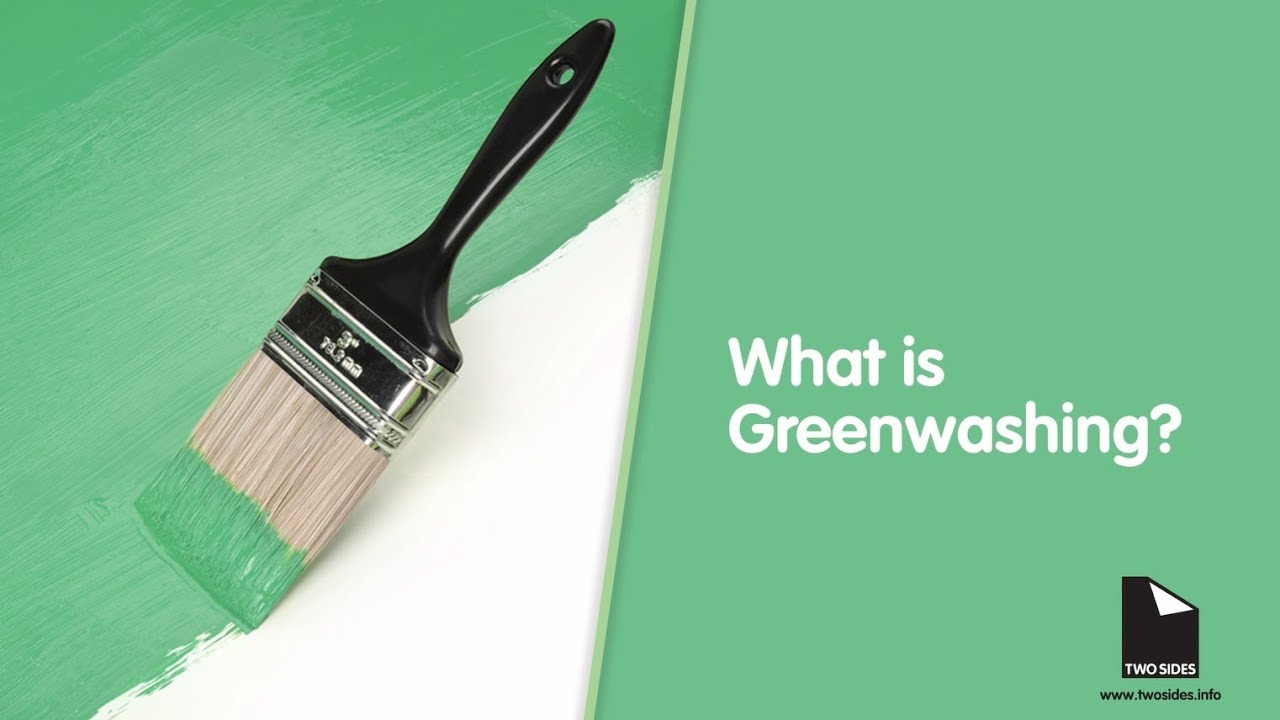
What is the Meaning of Greenwashing?
Greenwashing is the practice of making an unsubstantiated or misleading claim about the environmental benefits of a product, service, technology or company practice.
Common misconceptions about print and paper are still a major issue for the print industry. When encouraging the switch to ‘paperless’ communication channels, many companies focus on the green credentials instead of the time and money they stand to save.
Messages such as ‘Go green, go paperless’ and ‘Choose e-billing and help save a tree’ are unsubstantiated, misleading and have a lasting effect on consumer perceptions of paper.
Download the Two Sides Greenwash Fact Sheet
Greenwashing Hurts Print Advertising
These statements are neither specific nor supported by reliable scientific evidence or relevant lifecycle analyses. Without evidence to support them, these claims constitute greenwashing and violate advertising regulations in most European countries.
Anti-paper statements are also hugely damaging to an industry that employs 93,000 people in 6,800 businesses in the UK alone. Companies mostly switch to digital to save money, but greenwashing costs the UK printing and postal industries around £10 million per year.
The Environmental Impact of Print Advertising
- Paper has a great story to tell on sustainability. Made from trees, it is a renewable and sustainable raw material and is easy to recycle.
- The pulp, paper and print sector is one of the lowest industrial emitters of greenhouse gases, accounting for just 0.7% of EU CO2 emissions in 2023.
- Recycled paper is an essential material for the sector. In 2023, the amount of recovered paper produced worldwide reached over 232 million tonnes. Meanwhile, producing recycled paper uses 60% less energy compared to making paper from scratch.
Consumer Views on Print Advertising
The Two Sides Trend Tracker, is a global consumer survey overseen by Toluna. This year, the report showed that:
- 65% worry that personal information held digitally is vulnerable to hacking, theft or loss.
- 74% believe they shouldn’t be charged more for choosing paper bills or statements.
- 80% agree they should have the right to choose between paper and digital communications.
What to Do if You See Examples of Greenwashing
Two Sides continues to actively challenge major organisations that mislead consumers with environmental claims about the use of paper. However, we need the help of our eagle-eyed supporters! To get involved, send examples of greenwashing to greenwash@twosides.info.
Choose Whistl for Environmentally-Friendly Print Advertising
When you work with Whistl, you trust in professionals who will always tell you the real environmental impact of print advertising and strive for sustainability.
As part of our commitment to tackling misinformation and promoting the facts around print advertising, we back the pioneering PrintGreen initiative.
Together with Two Sides and other key industry names, PrintGreen busts print sustainability myths and offers a free carbon calculator for print advertising products and campaigns.
Updated October 2025
Join our mailing list
Sign up and receive all the latest industry news and insights directly to your inbox.
Research, Insights and Industry Guides
In depth insights and research studies to help you better understand customer perceptions & expectations.
Share this article
You may also like...