|
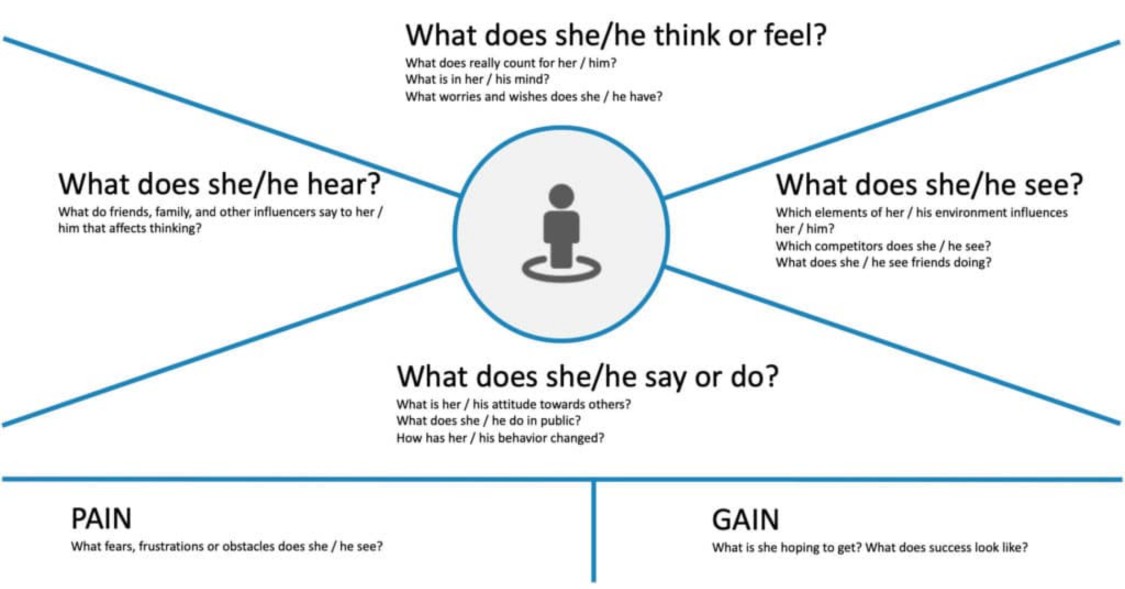
In this article, we discuss what UK and overseas consumers expect from British retailers regarding customer service. This article includes the latest Whistl and third-party research, along with actionable tips for delivering a best-in-class customer experience. To truly excel as an online retailer, merchants must get every component of the customer journey right. From your website user experience to product sourcing, fulfilment and delivery, get any of these elements wrong and you can say goodbye to repeat business. At each of these stages, customers will have to overcome objections, and this is where your own, or outsourced customer service department can help ensure their needs are met and their concerns are remedied. So, according to Whistl’s own and third-party research, what do today’s customers want from you, the online retailer, and what can you do to keep them coming back for more? Here is a list of the key things consumers expect. Customers want empathyWhen you show empathy to others, this reduces their defensive energy and increases their positive energy. This will help you solve customers' problems more easily, and help them self-serve more effectively. Empathy is the ability to understand another person's thought processes and emotions from their perspective. Therefore, your customer service agents need to be both self-aware and emotionally intelligent. As highlighted in the diagram below from Tractionwise, this Customer Empathy Map can help you track the needs and desires of your potential and existing customers to better serve them:
The above diagram is valuable because it forces the customer service agent to consider their customers’ fears, frustrations, obstacles, and what they hope to achieve from their phone calls, email, social media, and live chat. In our research, we found that both men and women find unhelpful contact centres and those that keep them on hold the most annoying. For men, language issues are in third place; for women, it's being sent around in circles without achieving anything. Women also found ‘going round in circles' and ‘rude/arrogant agents’ more of a hindrance than men. Taking the Whistl research into account, your contact centre agents will need to ensure that, however the customer feels and whatever problem they are facing, they reach the right department and receive a solution as quickly as possible. Customers expect choiceWhichever way you look at your online store, be it your delivery options, products or sales channels, customers increasingly demand greater choice. When it comes to serving your customers on a campaign or ongoing basis, it’s critical that retailers do so through the channels of their choice. In 2020, Eptica surveyed 1,000 UK consumers, asking them to rank their preferred channels across the entire customer journey, from initial research to post-purchase follow-up and then providing positive and negative feedback. The survey also asked how long they were willing to wait for an answer on specific channels before they gave up. The research found that four channels dominate, with consumers preferring:
With social media channels, Twitter and Facebook are trailing behind. The majority of customers are happy to self-serve, on their terms, and then they are willing to jump on social media to solve a problem. When it comes to complaints, email is by far the most popular channel at 41%, followed by phone at 33% and live chat at 20%. Consumers prefer email because it has a clearer audit trail. Whichever channels your customers prefer, it’s critical that you harmonise all these communications with a customer experience management (CEM) platform to ensure your customer service agents can see every interaction a customer has had with you, regardless of their channel. Customers demand speedUtilising a CEM will help your customer service agents respond faster to queries with better information. At Whistl, we interviewed 1,000 UK consumers to understand how e-tailers can improve the customer experience when using call centre support. We found that waiting time and average call handling time are important; longer than 5 minutes was deemed unreasonable, but people would stay on hold for 9.1 minutes, and 69% would hang up after 10 minutes. We also found that consumers don’t mind if you use recorded messages, provided that they come across as personable, relevant and friendly. Taking a look at other channels, the Eptica study reinforces Whistl’s findings; customers demand speed across all channels, but not so much as via phone. While 52% wouldn't wait more than 5 minutes for their call to be answered, 48% felt the same when using live chat and 40% would leave a website when self-serving if they couldn't find the required information within 5 minutes. Customers are more patient on social media, with 28% on Twitter and 25% on Facebook expecting a response within 5 minutes. While email is consumers' favourite channel for making a complaint, they are willing to wait the longest for a response, with only 16% demanding their email is answered within 5 minutes. Customers love personalisationA survey by Useproof found that customers now value personalisation more than speed when it comes to customer service, 59% voted for personalisation, while 53% voted for speed. Moreover, with consumers becoming accustomed to personalisation from platforms such as Netflix, YouTube and Amazon, they increasingly expect the same from mid-market merchants. A survey of 1,000 US adults by Epsilon and GBH Insights found that 80% of respondents demand personalisation from retailers. But how can you personalise your customer service? A sensible starting point is to have the technical infrastructure in place, such as a CRM and a CEM, to gather rich information about consumers’ preferences and pain points. If a customer prefers a particular contact channel, then ensure they are responded to there. By analysing your customers’ buying patterns, you can make popular questions about their preferred product categories more visible in the self-serve section, and promote this via email. Customers appreciate proactivityBy harnessing predictive data, retailers and their customer service agents can proactively identify potential issues before they affect consumers. Whistl Parcels offers a delivery management solution called Proactive Tracking Support, in which their technology carefully analyses each parcel’s journey. If an issue occurs during the delivery route, such as an incorrect address entered at checkout, a misrouted parcel, or ‘customer not in’, the customer service team will address it, alert the retailer, and, if possible, ensure the issue is rectified. This proactivity minimises the likelihood that a customer will need to make a WISMO (Where Is My Order?) query, saving retailers time and money and consumers a lot of hassle. Another proactive method is for your contact centre team to use AI technology to monitor a customer’s voice and text communications and pre-populate contextually relevant response information, so the agent is ready with the right information and can reach resolutions faster. Getting customer service right As outlined in this article, customers really value their time, demand consistency and expect you to serve them on their terms. At Whistl, we help retailers make customer service their competitive advantage by providing tailored contact centre solutions to either complement or replace existing customer service departments. With a tailored solution based on your business needs, we help support the customer experience, allowing your business to focus on core competencies. Our experienced team of contact centre agents have a unique perspective on the customer journey and the ever-changing demands consumers place on businesses across a broad range of different industry sectors. |
Join our mailing list
Sign up and receive all the latest industry news and insights directly to your inbox.
Research, Insights and Industry Guides
In depth insights and research studies to help you better understand customer perceptions & expectations.
Share this article
You may also like...