Written by
William Geldart
Content Manager
Consumers are increasingly basing their purchasing decisions on how environmentally friendly they perceive businesses to be and favouring brands with a commitment to sustainability.
From minimising your waste with innovative reduction strategies to replacing your current packaging with sustainable alternatives, here are some of our top tips for distributing eco-friendly mail and walking the talk on sustainable communication
The Truth About Sustainable Print and Packaging
While many businesses tout their investment in e-billing and paperless marketing methods, the truth is that print is one of the most sustainable industries in the UK. You would be forgiven for thinking otherwise, however, as a high volume of greenwashing perpetuates common misconceptions about print.
According to our sustainable print partners at TwoSides:
- 60% of people believe European forests are shrinking – in fact, they’ve been growing in size by 1,500 football pitches every day.
- Only 18% believe the European paper recycling rate is above 60% – it’s actually 79% (the highest in the world!)
As consumers become more environmentally aware, they are choosing businesses that are transparent about reducing their carbon footprint, use sustainable packaging and work with a green supply chain to deliver their products. If you want your mail to catch their eye, you need to understand how you can both use and signal sustainable delivery options.
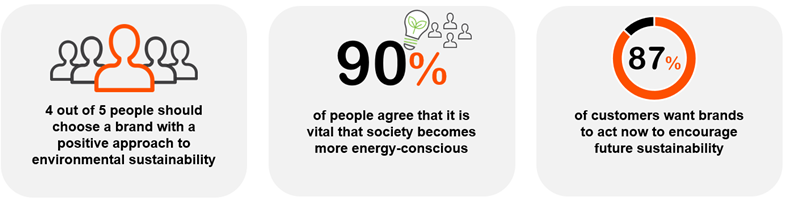
Source: MarketReach. Using mail more sustainably
Life Stages of Mail
From finding raw materials to recycling the finished product, the journey of printed mail impacts the environment at every step. Understanding the entire cycle is essential for developing truly sustainable mail.
PrintGreen lists five distinct stages in the lifecycle of printed mail, each with its own sustainability achievements and challenges:
- Sourcing raw materials from authorised forests around the world
- Processing raw materials into paper and pulp
- Designing mail and printing with ink
- Transporting mail to postal hubs and then through letterboxes
- Sending paper for recycling or to the landfill as compostable packaging
Top Tips for Sustainable Mail
While the pulp, paper and print sector is one of the lowest industrial emitters of greenhouse gases, and paper is an endlessly recyclable material, there are several ways advertisers can make greater use of green logistics and implement waste reduction strategies. These include:
-
Choosing the right suppliers: Find like-minded suppliers who share your goals and consider the accreditations they hold.
- Remembering that clean data reduces waste: Regularly check that your database is accurate and up to date. This way, you only send marketing materials to households you expect to engage with your mail.
- Maximising response rates: Ensure the overall look and feel of your mail is designed to attract your audience. Try to make your environmental impact count, however small.
- Choosing the right mail design and format: Choose a design and format that reduces waste during production.
- Choosing the right paper stock: Buy paper from sustainable paper sources and carbon-balancing schemes.
- Considering your production process impact: Production comes with inevitable environmental costs, but some paper and ink types are more eco-friendly than others. Choose wisely!
- Considering your postal supply chain footprint: Many delivery services have their own incentives to reduce emissions, such as deploying electric vans. Whistl have already trialled integrating cargo bikes, electric vehicles and electric rail freight into a single green supply chain.
- Encouraging recycling: Make it clear that your materials are recyclable by using an industry-known symbol. With this simple addition, you can help reduce the carbon footprint of your mail, even after it reaches your consumers.
Reduce Your Carbon Footprint with Whistl
Whistl is proud to be at the forefront of green logistics and happy to help your business with sustainable delivery options. This includes the use of our Fuel Carbon Calculator and Hydrotreated Vegetable Oil (HVO) rather than diesel for the collection of bulk mail items. We are also a proud supporter of the Love Paper campaign, an annual initiative to improve perceptions and raise awareness of the sustainability and attractiveness of print, paper and paper-based packaging.
Contact us to learn more about using our green supply chain and leading the way into the eco-friendly future of mail.
Updated December 2025
Join our mailing list
Sign up and receive all the latest industry news and insights directly to your inbox.
Research, Insights and Industry Guides
In depth insights and research studies to help you better understand customer perceptions & expectations.
Share this article
You may also like...